Azalea Therapy Group


Pediatric Speech Therapy in Spring & The Woodlands, TX
Speech Therapy
Communication is an essential part of everyday life. Speech therapy helps children develop the skills they need to express themselves clearly, understand others, and communicate with confidence. Individualized, evidence-based therapy in a supportive and engaging environment helps each child reach their full communication potential.
What Is Speech Therapy?
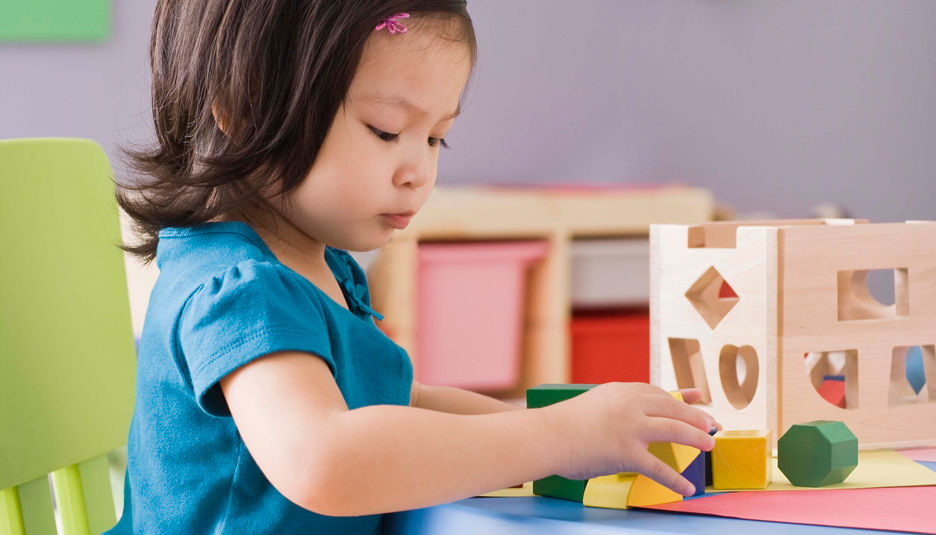
Speech therapy focuses on the evaluation, diagnosis, and treatment of speech, language, voice, fluency, and communication disorders. Therapy is personalized to each child's unique strengths, needs, and goals, using evidence-based strategies and play-based learning to encourage meaningful progress and lasting success.
Who Can Benefit from Speech Therapy?
Speech therapy may be beneficial for children who experience:
-
Difficulty pronouncing sounds or being understood
-
Delayed speech or language development
-
Challenges understanding or following directions
-
Difficulty expressing thoughts, wants, or needs
-
Stuttering or other fluency concerns
-
Social communication or conversational difficulties
-
Communication challenges associated with Autism Spectrum Disorder (ASD)
-
Childhood Apraxia of Speech (CAS)
-
Voice disorders or changes in vocal quality
-
Feeding and swallowing concerns
-
A need for Augmentative and Alternative Communication (AAC)
The Therapy Process
The journey begins with a comprehensive evaluation to identify each child's communication strengths and areas of need. Based on the results, an individualized treatment plan is developed with goals that are meaningful, measurable, and tailored to the child's needs.
Therapy sessions are engaging, interactive, and designed to support communication across everyday environments. Activities are selected to encourage participation while building skills that can be applied at home, in school, and within the community. Progress is monitored regularly, and treatment plans are adjusted as goals are achieved and new skills emerge.
A Family-Centered Approach
Family involvement is an important part of successful therapy. Parents and caregivers are provided with education, strategies, and activities that support continued practice outside of therapy sessions. Collaboration with teachers, physicians, and other professionals, when appropriate, helps promote consistency and supports progress across all settings.
Helping Children Build Confidence Through Communication
Every child deserves the opportunity to communicate with confidence. Early identification and intervention can make a meaningful difference in speech, language, and social development, providing the foundation for success in school, relationships, and everyday life.